The 9 Benefits of Playing Sudoku: Why You Should Solve Sudoku to Keep Your Brain Sharp

Sudoku is much more than just a popular number puzzle; it’s an excellent exercise for problem solving and cognition. Like chess, Sudoku challenges your brain to think strategically and logically, helping to enhance your short-term memory and improve mental agility. By regularly engaging in Sudoku puzzles, you actively stimulate various cognitive functions, which not only keep your mind sharp but also build resilience against mental fatigue. This combination of mental activities supports overall brain health and well-being. In this article, we will explore nine key benefits of playing Sudoku, showing why this simple yet challenging game is an effective tool for boosting your cognitive abilities and maintaining mental fitness at any age.
1. Sharpening Your Logic: How a Sudoku Puzzle Boosts Cognitive Skills
Sudoku is more than just a game; it’s a powerful brain training tool that helps improve logical thinking and problem solving skills. Unlike other puzzles, sudoku requires players to find the missing number in each row, column, and 3×3 block of a 9×9 grid, engaging deductive reasoning and concentration.
When you solve a sudoku puzzle, your brain is actively stimulated. This process involves evaluating possibilities and applying rules, which triggers brain activity in areas responsible for decision making and planning. Regularly playing puzzles such as sudoku helps strengthen neural pathways, much like exercising muscles, helping keep brain cells healthy.
In short, sudoku offers a unique way to boost brain function through logical puzzle solving and healthy competition. Playing these mentally stimulating games like sudoku can help improve your brain think and problem-solving skills while promoting lifelong cognitive health.
2. Cognitive Training in Action: Enhancing Working Memory and Cognitive Abilities
If you’ve ever forgotten where you placed your keys or missed a detail in instructions, you’ve experienced the limits of working memory. Playing games such as Sudoku provides excellent cognitive training to boost this exact skill.
Sudoku is a logic puzzle that turns the grid into a mental workspace. When involved in Sudoku solving, you must keep track of numbers already placed in a row or column, consider candidates for each cell, and recall strategies used to solve the puzzle. This constant mental juggling stimulates the brain and actively strengthens working memory and concentration skills.
Whether you prefer classic versions of Sudoku or other kinds of puzzles, playing these puzzles regularly is a stimulating activity that enhances problem solving and cognitive function. Sudoku puzzle successfully infuses logic with concentration, promoting a healthy competition with yourself or others while sharpening your mind. The impact of puzzle games such as Sudoku on cognitive health makes them a valuable tool for anyone looking to find a solution to mental decline risks.
3. Focused Attention: Achieving Deep Mental Stimulation with Every Grid
In a world full of constant notifications and distractions, sustaining focused attention is a rare and valuable skill. Sudoku is a game that forces you to stop multitasking: solving puzzles requires sustained attention to spot patterns, eliminate candidates, and make precise logical deductions. That prolonged concentration strengthens the neural circuits behind attention and sharpens both logical and concentration skills.
Playing challenging thinking games like Sudoku can trigger intense mental engagement, forcing the brain to filter out external noise and internal distractions. That deep, selective focus not only improves your performance on harder grids but also carries over to everyday tasks.
4. Building Connection: Sudoku as a Social Tool for Shared Mental Fitness
Though often seen as a solitary activity, Sudoku has strong potential to bring people together. Working on puzzles, especially challenging ones, creates a relaxed, non competitive environment for shared mental engagement and helps strengthen bonds across generations.
The social benefit of Sudoku comes from collaborative problem solving, where participants communicate by discussing strategies and explaining their reasoning aloud. This process encourages perspective taking, as individuals learn to appreciate and incorporate different problem solving styles. Through teamwork, the puzzle becomes a shared challenge, with effort and success experienced collectively.
This collaborative approach makes Sudoku especially valuable in senior centers, classrooms, and family gatherings. It encourages interaction, sparks meaningful conversation, and helps combat loneliness. Ultimately, Sudoku goes beyond individual brain exercise to become a way to build community and promote joint cognitive activity.
5. More Than Numbers: How This Puzzle Improves Visual-Spatial Awareness
Sudoku is often thought of as a numbers game, but it heavily relies on visual skills. Solving Sudoku involves spatial thinking:
- Scanning and Locating: You quickly scan rows, columns, and 3×3 boxes to spot where numbers fit or don’t fit.
- Visualization: You mentally move numbers around, imagining how a candidate in one area affects others nearby.
- Pattern Recognition: You identify visual patterns like “naked pairs” or “hidden triples” that help eliminate options and find answers.
This ongoing mental work boosts brain regions related to visual-spatial awareness, a skill useful for tasks like navigating new places or arranging objects mentally. Practicing Sudoku regularly keeps these abilities sharp and ready to use.
6. The Ultimate Relaxing Sudoku Session: Using Puzzles for Stress Reduction
Sudoku offers more than just mental challenge, it’s a powerful tool to ease stress and anxiety. Focusing on a puzzle helps your mind step away from daily worries and find calm.
Focused Attention: Sudoku demands full concentration in the moment. This focus breaks the cycle of repetitive, stressful thoughts by engaging your brain in a clear, logical task. It acts like a form of active meditation through numbers.
Feeling in Control: Life often feels unpredictable, but Sudoku’s fixed rules and definite solution create a controlled space. This sense of order helps soothe the nervous system and brings comfort.
Spending 15 to 20 minutes on Sudoku is an easy, screen-free way to clear your mind and return to your day feeling more relaxed and centered.
7. The Feel-Good Factor: Key Reasons to Play Sudoku Daily
One of the strongest reasons to do Sudoku every day is the immediate sense of achievement it brings. Beyond reducing stress, solving a Sudoku puzzle triggers positive chemical reactions in your brain when you place that last correct number.
Completing a Sudoku puzzle releases dopamine, a neurotransmitter linked to pleasure, satisfaction, and motivation. Because Sudoku offers a clear goal with set rules and a definite finish, it acts as a steady source of this mood-enhancing chemical.
Regularly experiencing this boost helps support brain health, builds confidence in your thinking skills, and encourages mental resilience. Making Sudoku a daily habit programs your brain to enjoy frequent feelings of mastery, giving your mood and mental well-being a dependable lift.
8. The Underrated Skill: How Regular Practice Teaches Patience and Persistence
The immediate appeal of Sudoku lies in its cognitive challenge, but one of its most valuable lessons is the quiet training it provides in patience and persistence.
Consider tackling a Sudoku puzzle at the “Expert” level. Rushing leads to mistakes since one wrong number can throw the entire grid off. This forces you to slow down, carefully review your moves, and work through the puzzle step-by-step with focus and precision.
When you reach a dead end, the temptation to give up is strong. Yet, Sudoku teaches you to backtrack, find errors, and restart from a solid point. This practice of steady effort and careful correction builds mental endurance over time.
The payoff? A rush of satisfaction and a sense of achievement when the final number fits perfectly. This reward encourages you to approach difficult problems in everyday life with the same calm, steady, and logical mindset you develop through Sudoku.
9. Increasing Processing Speed: Boosting Quick-Thinking Cognitive Abilities
The more you do Sudoku, the faster you become and this speed increase goes beyond mere familiarity; it shows a real improvement in your brain’s processing power. This is one of Sudoku’s most useful benefits for daily life.
At first, solving Sudoku feels like a slow, careful process. But with practice, your brain starts creating shortcuts. You recognize complex patterns immediately, rule out possibilities almost automatically, and make quick, accurate decisions. This means your brain is learning to handle analytical tasks more efficiently.
By regularly challenging yourself to complete puzzles faster, you train your executive functions to make quicker decisions. This mental agility carries over outside Sudoku, helping you analyze information swiftly and respond effectively in fast-moving situations.
Sudoku or Crosswords: Which Brain Game is Best for Cognitive Abilities?
Choosing a daily brain game to enhance your cognitive skills often comes down to the classic matchup: Sudoku versus crosswords. Both offer great mental exercise but target different brain functions.
Crosswords mainly engage crystallized intelligence which is the knowledge and language skills you’ve built over time, like vocabulary and trivia. They effectively improve word recall and general knowledge.
Sudoku taps into fluid intelligence, the capacity to solve new problems through logic and pattern recognition without relying on past knowledge. It challenges working memory and real-time reasoning.
If your goal is to strengthen logical thinking, sustained focus, and build mental resilience, Sudoku provides a more targeted workout. Studies show that its demand for continuous deduction and pattern matching delivers stronger training for non-verbal reasoning. Ultimately, pick the puzzle you enjoy most, but for boosting abstract thinking skills, Sudoku tends to have the edge.
The Verdict: Why Sudoku Actually Works
After examining its nine proven benefits, the question shifts from “Does Sudoku help?” to “What makes Sudoku so effective?”
Sudoku’s strength comes from its unique combination of demands. Unlike many brain games that focus on just one skill, it challenges both advanced deductive reasoning and active working memory at the same time. It requires sustained concentration while remaining low-pressure and easy to access. This mix stimulates multiple key cognitive areas all at once.
In the end, Sudoku works because it exercises the very mental abilities that tend to weaken with age and distraction: logic, patience, memory tracking, and focus. Whether your aim is to ease anxiety or strengthen your brain against decline, making Sudoku a daily habit offers a direct, practical, and well-supported way to boost mental fitness.
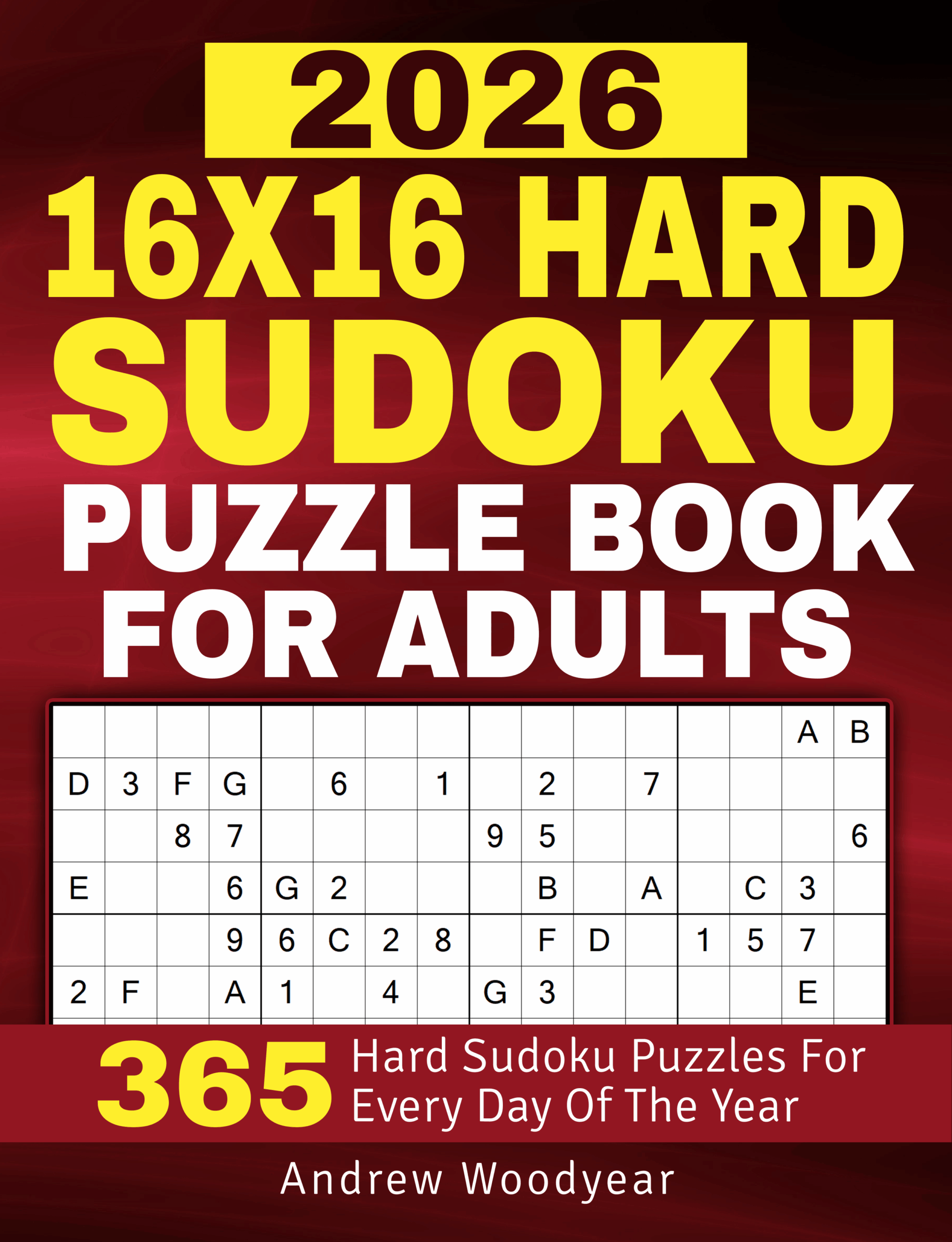
Ready to Play? Check Out My Sudoku Puzzle Books Today
Click here to explore my Sudoku puzzle books on Amazon!