Introduction to This Popular Puzzle Game

Imagine this, you’re on a morning train, in a doctor’s waiting room, or enjoying a drink at a coffee shop. Nearby, someone is focused on a 9×9 grid of numbers, Classic Sudoku. It feels like a timeless classic, but its origins are surprisingly global.
Despite its name, the game wasn’t invented in Japan. It’s actually a mix of 18th-century Swiss math, 1970s American design, and 1980s Japanese branding. This puzzle game traveled the world, changing along the way, before becoming part of our everyday lives.
Latin Square Roots and the Grid
The roots of the puzzle trace back to 1783 in Switzerland, where mathematician Leonhard Euler studied probability and created “Latin Squares.” These are grids where each number or symbol appears once per row and column. This idea forms the basis of Sudoku. However, Euler’s squares didn’t include the 3×3 blocks that define today’s Sudoku game. His work stayed a math curiosity for nearly two centuries until it became the square puzzle we know now.
The Birth of Sudoku: The First Modern Sudoku
In 1979, in Indianapolis, Howard Garns, a 74-year-old retired architect and freelance puzzle creator, brought Euler’s Latin Squares from theory to print. He added a new twist by including 3×3 sub-grids, creating a puzzle with three layers of logic. Garns called the puzzle Number Place which first appeared in Dell Pencil Puzzles and Word Games. Though initially popular with a small group of American fans, it wasn’t widely known.
Sadly, Garns passed away in 1989, just as the puzzle began gaining international fame. He never realized that his “Number Place” would become a global phenomenon, featured in newspapers worldwide.
Su Doku: How the Number Game Evolved in The Land Of The Rising Sun
“Number Place” might have stayed unknown in the U.S. if it hadn’t caught the attention of a Japanese publisher in the early 1980s. Japan, where crosswords are tough due to the complex writing system, embraced number puzzles as a universal alternative. The puzzle landed at Nikoli, a monthly logic magazine led by Maki Kaji.
Kaji liked the game but found the name “Number Place” dull. He first named it Sūji wa dokushin ni kagiru, meaning “the numbers must remain single,” but soon shortened it to Sudoku, combining “Su” (number) and “Doku” (single).
Nikoli didn’t just rename it—they improved it by adding symmetry to the puzzle’s layout, making it visually appealing. This turned Sudoku into more than a math challenge; it became an art form. It gained a loyal following in Japan but stayed mostly unknown outside for nearly 20 years.
The Sudoku Craze: From Hong Kong to the World
Sudoku has Swiss roots, American design, and a Japanese name—but how did it become a newspaper staple? The credit goes to Wayne Gould, a retired New Zealand judge.
In 1997, while vacationing in Tokyo, Gould found a Sudoku book. He didn’t know Japanese but was hooked by the logic puzzles. Over six years, he created a computer program that could generate unique Sudoku puzzles automatically, unlike the hand-crafted grids from Japan’s Nikoli.
In 2004, Gould took his program to London and pitched Sudoku to The Times. They published the first puzzle on November 12, 2004, and readers loved it. Soon, other British papers followed, and by 2005, Sudoku had spread worldwide, becoming known as the “Rubik’s Cube of the 21st century.”
History of The Sudoku Puzzle Conclusion
Sudoku might seem like ancient Eastern wisdom, but it’s actually a global creation spanning centuries. A Swiss mathematician designed the logic, an American architect created the grid, a Japanese publisher named and popularized it, and a New Zealand judge helped bring it mainstream.
Why do we love Sudoku? Because it offers a neat, logical challenge in a chaotic world. Unlike crosswords or algebra, it needs no special knowledge—just patience and logic. There’s real satisfaction in finding the one solution that fits perfectly.
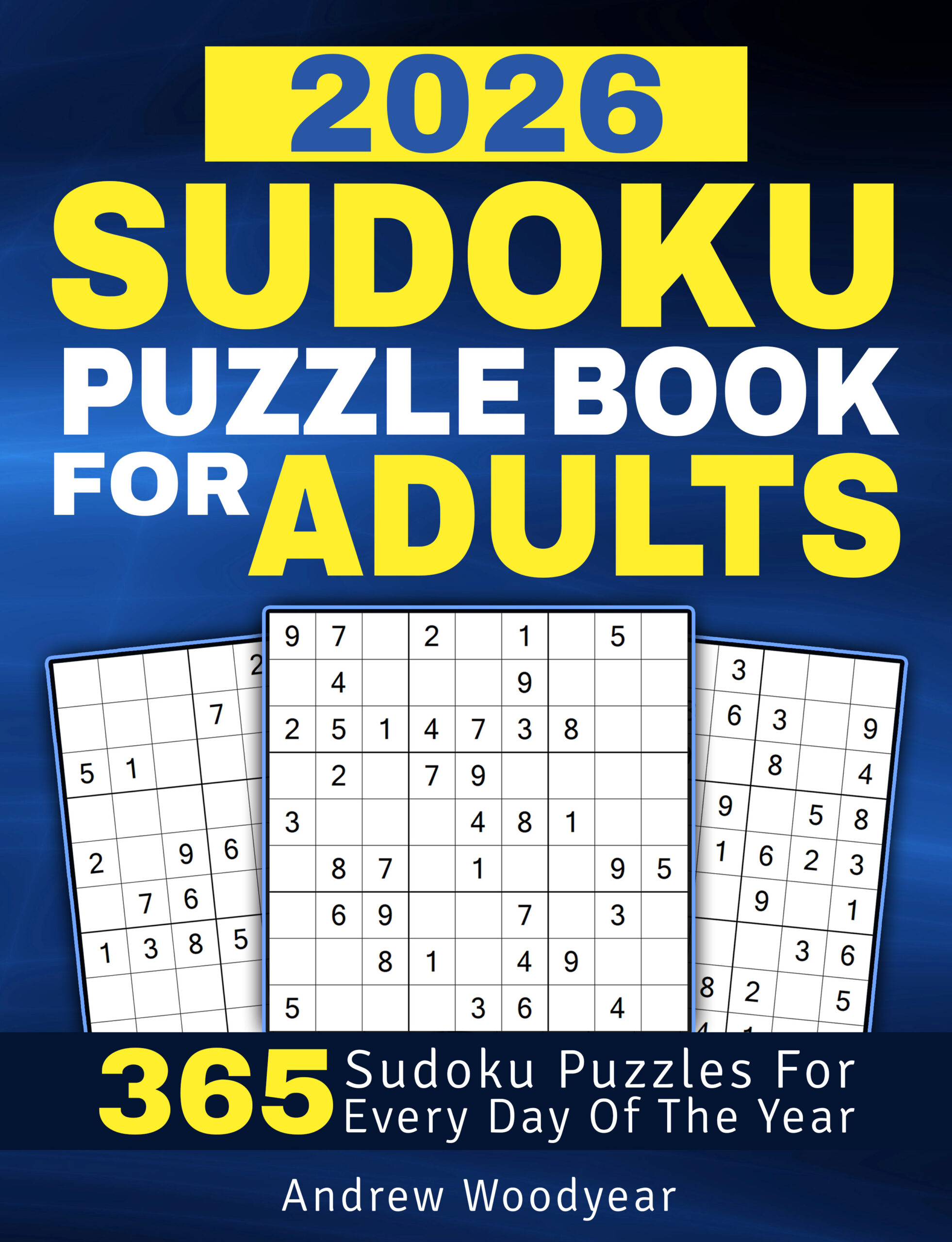
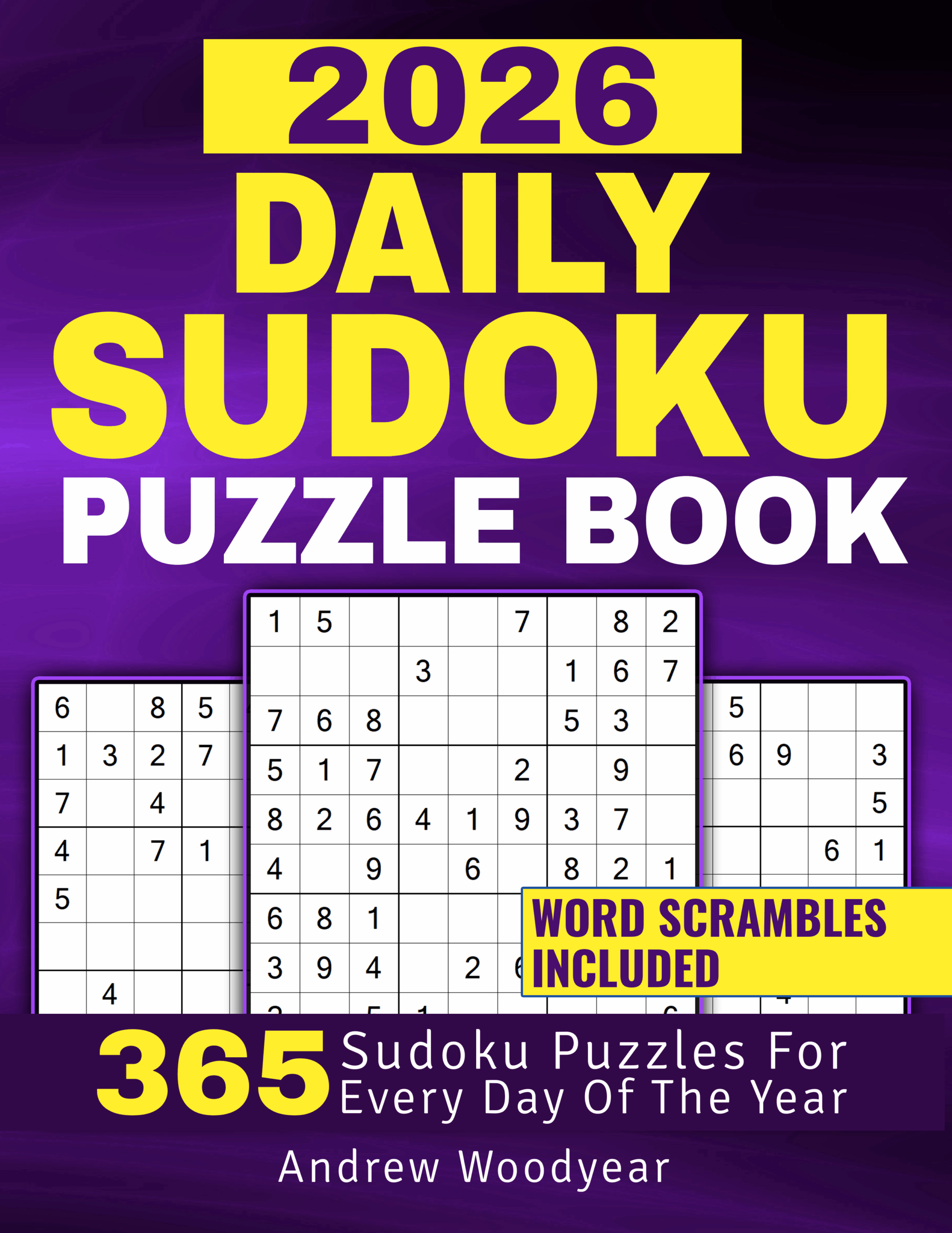
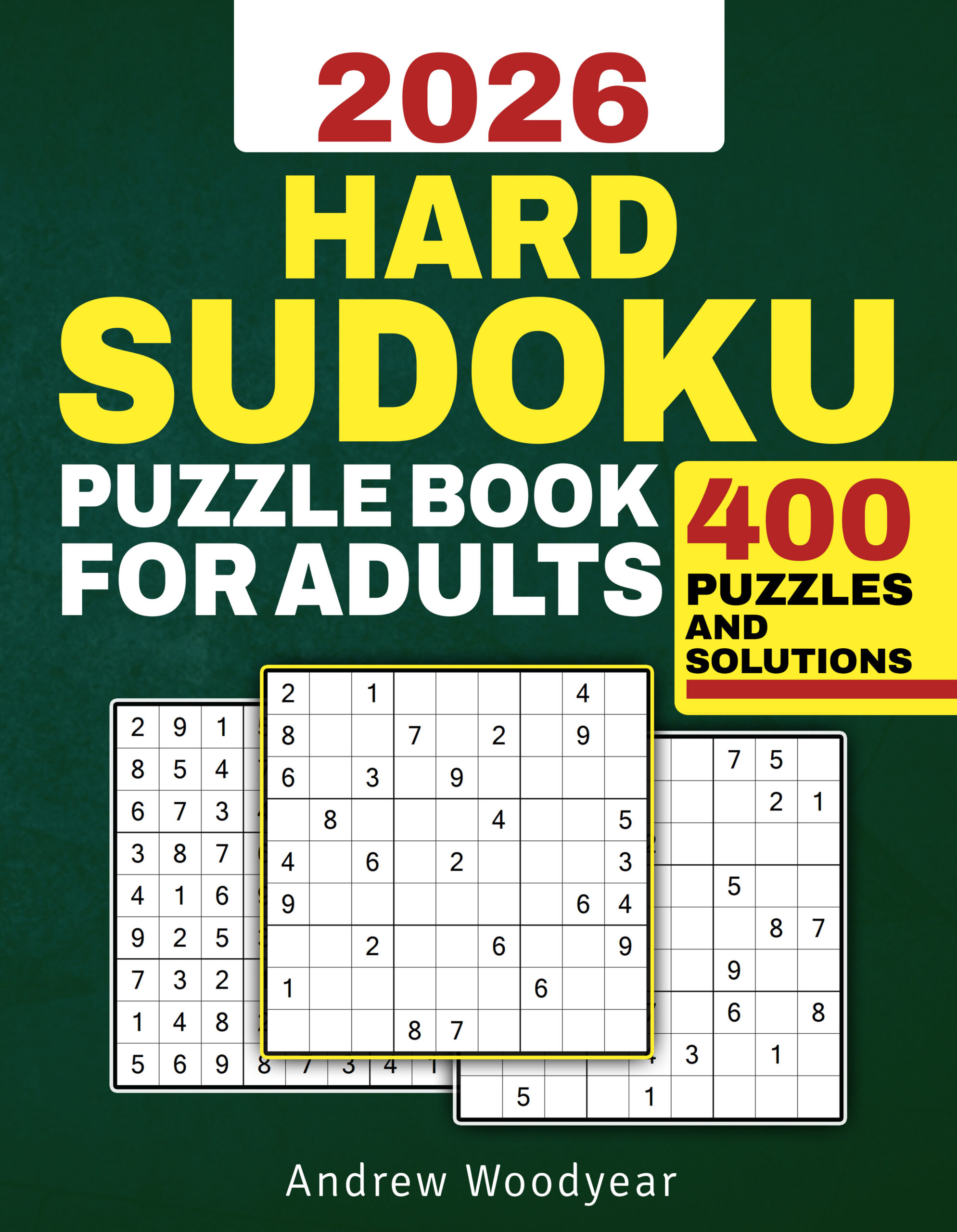
Challenge your mind with daily sudoku. My Sudoku puzzle books are perfect for players of all levels! Grab a book now and start to play sudoku while sharpening your skills and having fun.
Fun Facts About Sudoku
Sudoku and Magic Squares Connection
While Sudoku is often linked to Latin squares, it surprisingly shares some features with ancient magic squares—grids where numbers add up to the same total in every row, column, and diagonal. Although Sudoku doesn’t require sums to match, both puzzles highlight the fascination with numbers arranged in squares, showing a deep mathematical heritage behind the popular puzzle game.
The World Sudoku Championship
Since 2006, puzzle enthusiasts from around the globe gather annually for the World Sudoku Championship, organized by the World Puzzle Federation. This event crowns the best sudoku solver worldwide and features variations like Samurai Sudoku and Super Sudoku, challenging players with grids larger than the classic 9×9.
Mini Sudoku for Beginners
To welcome new players or provide a quick mental workout, many puzzle magazines and online platforms now include mini sudoku puzzles, such as 4×4 or 6×6 grids. These smaller sudoku puzzles are perfect for kids or anyone who wants to play free sudoku in a shorter amount of time without losing the logical challenge.
Sudoku’s Presence in Teletext Services
Before smartphones, people enjoyed sudoku puzzles through teletext services on their TVs. Several broadcasters included sudoku games in their teletext offerings, making sudoku one of the first puzzle games widely accessible in homes without printed magazines or newspapers.
Super Sudoku with a 16×16 Grid
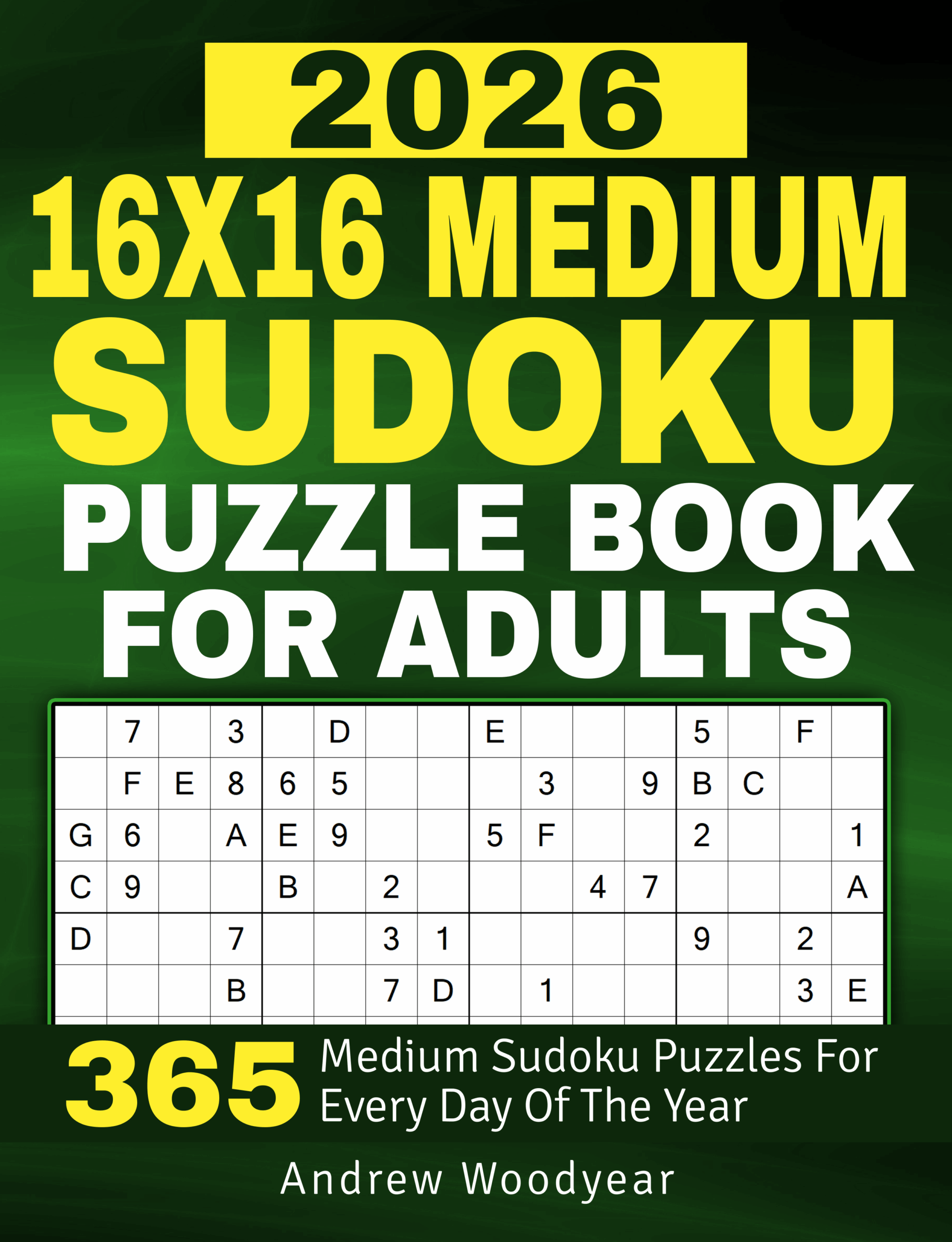
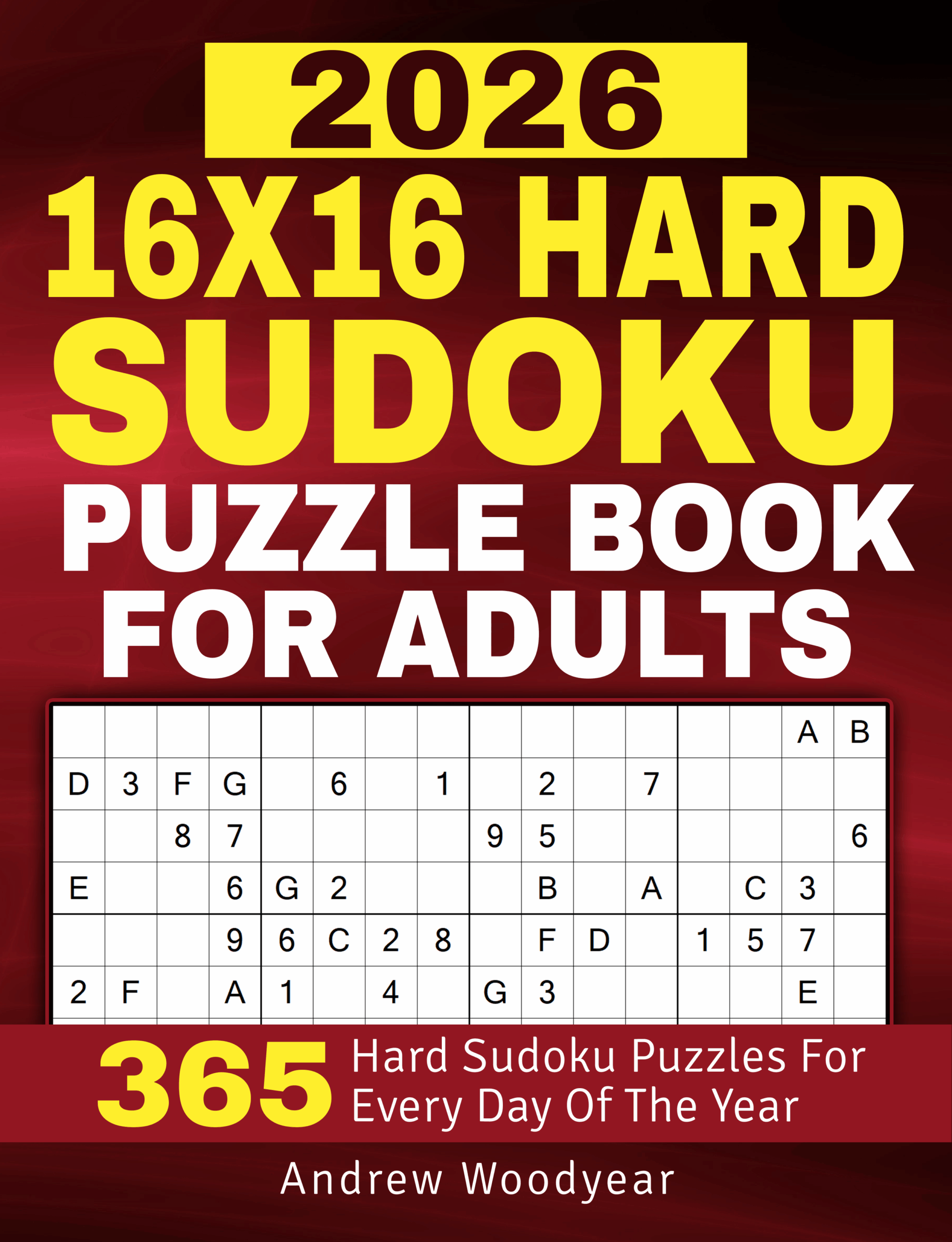
Beyond the classic 9×9 sudoku puzzle, there is a super sudoku variant featuring a 16×16 grid using digits and letters (1–9 and A–G). This advanced puzzle increases complexity and is often featured in specialized sudoku magazines or puzzle competitions for expert solvers seeking an extra challenge.